Addiction Is a Family Disease: What That Actually Means (and What It Doesn't)
Jul 13, 2026The moment a family hears the phrase addiction is a family disease, something happens in the room. And it usually goes one of two ways.
Some people fold inward. They hear family disease and immediately start searching their own history for the crime. What did I do to cause this? How did I let it happen? Others stiffen and push back. This is not my problem, they say. I go to work, I hold things together, and this person will not take care of themselves. That is on them.
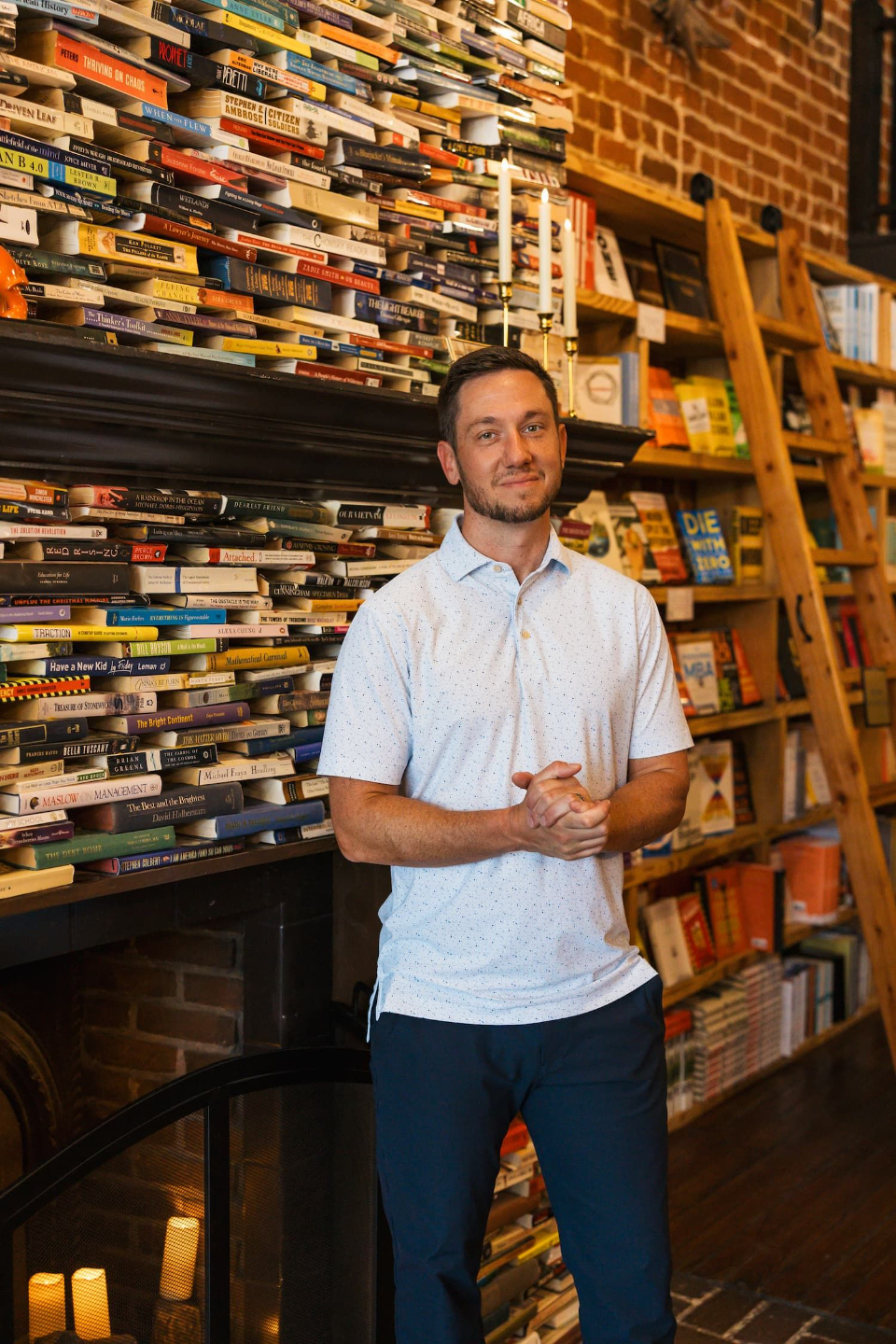
As Corbin Bigheart describes it, these are the two camps: the one asking how is this my fault, and the one insisting it is not my fault at all. And here is the thing. Both of them are missing the truth, and the truth is more freeing than either.
If you are the one blaming yourself, hear this
Addiction is not a causal disease. You did not create it. It is a biological and neurological condition, one people can be genetically predisposed to, and you did not influence that any more than you could influence someone's blood type.
There is a line families in Al-Anon lean on for exactly this moment: you didn't cause it, you can't control it, and you can't cure it. If you have been carrying the weight of what did I do, you can set it down. This is not a punishment for your parenting, your marriage, or your love. It is a disease. Full stop.
If you are the one resisting, hear this
Now, for the person on the other side, the one who is sure this has nothing to do with them, there is an invitation rather than an accusation. No, you did not cause it. And also, recovery from this disease has social and familial elements. The way a family operates can either feed the ongoing disease or feed the ongoing recovery.
That is not about assigning blame. It is about noticing patterns. Corbin gives a common one: the loved one gets arrested, and the family rushes to the courthouse to pay the bond and spare them the discomfort. Once, twice, three times. Every rescue that erases a consequence is, without anyone intending it, a small vote for the disease to continue. Understanding where you rescue is not about shame. It is about seeing clearly.
Most people in this camp do not respond to being pushed. But they do respond to a gentler question: would you at least be willing to consider the role you can play in supporting recovery? Almost everyone can say yes to that.
The jigsaw puzzle
The picture Corbin returns to is a jigsaw puzzle. A family fits together like one, all these pieces locked into a particular shape. Your loved one is one of those pieces.
Now imagine that piece goes off and truly heals. It changes shape. And when it comes back, it no longer fits the old puzzle the way it used to. Here is the part that matters: if the rest of the family has not changed at all, the puzzle will try to force that piece back into its old slot. Without meaning to, the family pushes the person right back into the role they lived in while they were using.
That is why the family has to be willing to rearrange too. Not because it was all your fault. Some members contribute more than others, and some not at all. But if you want to contribute to the solution, you have to be willing to help the pieces fit together in a new way.
Where that leaves you
The truth about family disease is not that you caused it, and not that it has nothing to do with you. It is that you did not cause it and you can still be part of the healing. That is not a burden. It is an open door.
If you want to learn more from Corbin and the rest of our experts, and walk through exactly how to play that role well, enroll in Change the Pattern.