When Saving Them Becomes Its Own Addiction
Aug 11, 2026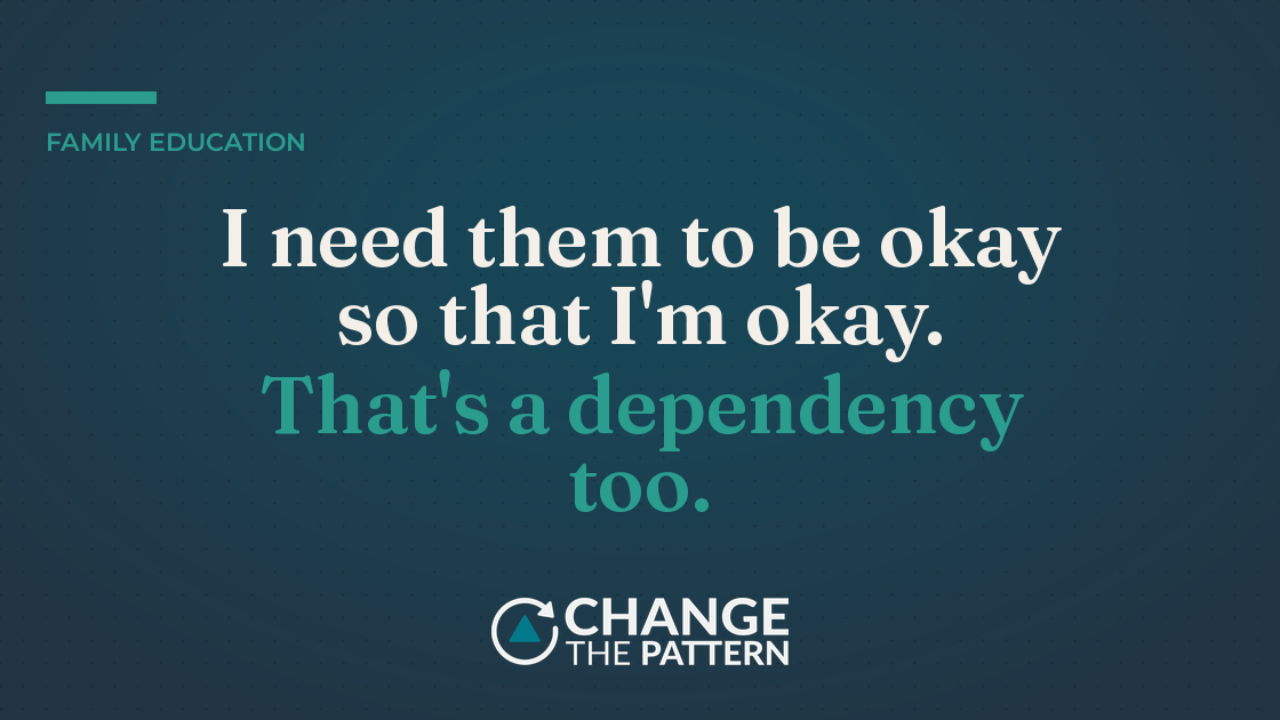
There is a parallel Ryan Soave has watched play out again and again in his years of treating both people with addiction and the families around them, and once you see it, you cannot unsee it. The way a person leans on a substance to feel okay is not so different from the way a family member can lean on the loved one being okay in order to feel okay themselves.
The dependency hiding inside codependency
Codependency is not a diagnosis you will find in a manual, but it is a widely understood way of describing how people can be in relationships. And Ryan suggests looking at the word itself. To be codependent is to be dependent on another person. I need them to be okay so that I am okay.
Sit with that for a moment. It means your inner state, your ability to breathe and rest and feel settled, is riding entirely on someone else's actions, moods, and choices. How different, Ryan asks, is that from being dependent on a substance to feel okay inside? In both cases, a person is reaching outside themselves for something to regulate what is happening within. In both cases, they are trying to control something they cannot actually control. And that is exactly where the suffering lives.
Nobody is to blame
Here is the part that keeps this from becoming one more thing to feel guilty about. These patterns are co-created. They develop slowly, over years, as two people learn to do the dance of life together. So when good family treatment happens, Ryan is clear that it is not about blaming anyone. It is about understanding how everyone arrived at this place together.
That reframe matters, because families often swing to one of two extremes. Some conclude it is all their fault. Others, exhausted, announce they are done and they are letting go completely, all at once. Ryan gently pushes back on both. You have been in this relationship together, and the way out is also something you do together, not a switch you flip.
Why the healthiest person is often the one in treatment
There is an irony Ryan names that stops a lot of families in their tracks. The person who goes to treatment can quickly become the healthiest one in the family, simply because they are the one getting help. Everyone else is still standing in the old pattern, running the old anxiety, playing the old roles.
You can see it in a common moment. Parents fight for months to get their loved one into treatment. They finally succeed, and for a beat there is relief. Then the relief drains out and something harder rushes in: I need to call them. I need to check on them. I need to know they are okay. The loved one is safe, arguably safer than they have been in a long time, and yet the anxiety spikes. That is because the family member's nervous system learned to run on monitoring and managing, and it does not know how to stand down.
The work nobody advertises
Ryan says something about treatment that he jokes they could never put on a website, because people might not come. They are not teaching people how to feel good. They are teaching them how to feel bad. How to lean into discomfort and pain and be with it, without reaching for immediate relief, whether that relief is a substance or a compulsive behavior.
And here is the key: the family needs to learn this too. Getting your loved one help will not quiet the anxiety on its own. Learning to sit with that anxiety, to feel it without immediately acting on it, is your work. This is also why enabling is not simply a dirty word. You do not want to enable the addiction, but there is such a thing as enabling recovery, and part of that is you tending your own stress, your own fear, and your own need to control.
The goal of real family healing is not to assign fault or to sever the bond. It is to make sure the person coming home from treatment is not returning to the exact same system they left, and that takes everyone being willing to change and grow together.
If you want to learn more from Ryan and the rest of our experts, and do that work with real guidance, enroll in Change the Pattern.